A Place with Deep Roots
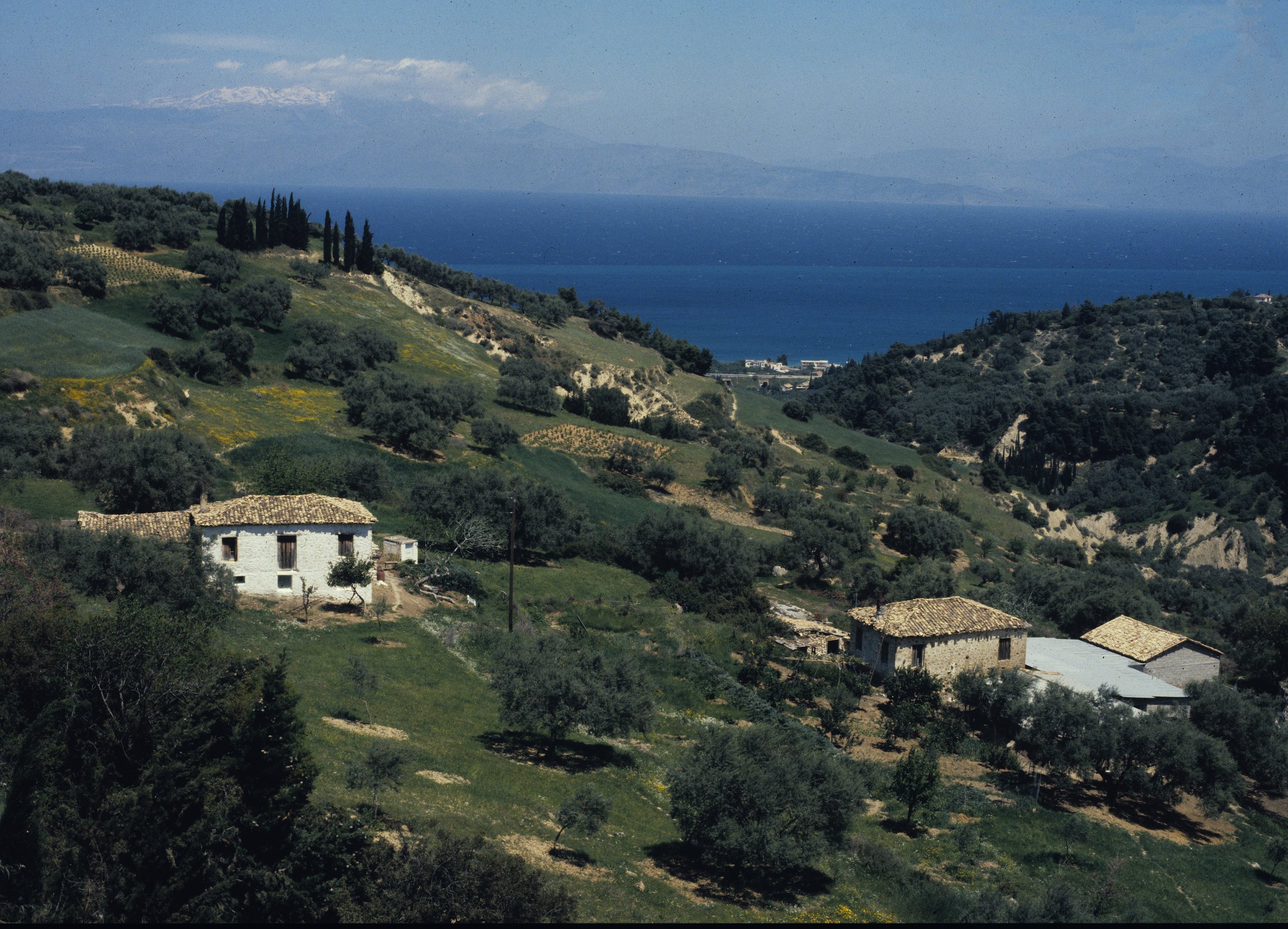
People have lived on these slopes for close to three thousand years. A short drive along the coast, the ancient theatre of Aigeira still faces the Gulf, carved into the hillside by Greeks who chose this coastline for the same reasons you might: the light, the water, the shelter of the mountains. Pausanias passed through here writing his guide to Greece in the second century AD. The paths between the coastal villages and the high pastures — the ones walkers use today — are far older than any road.
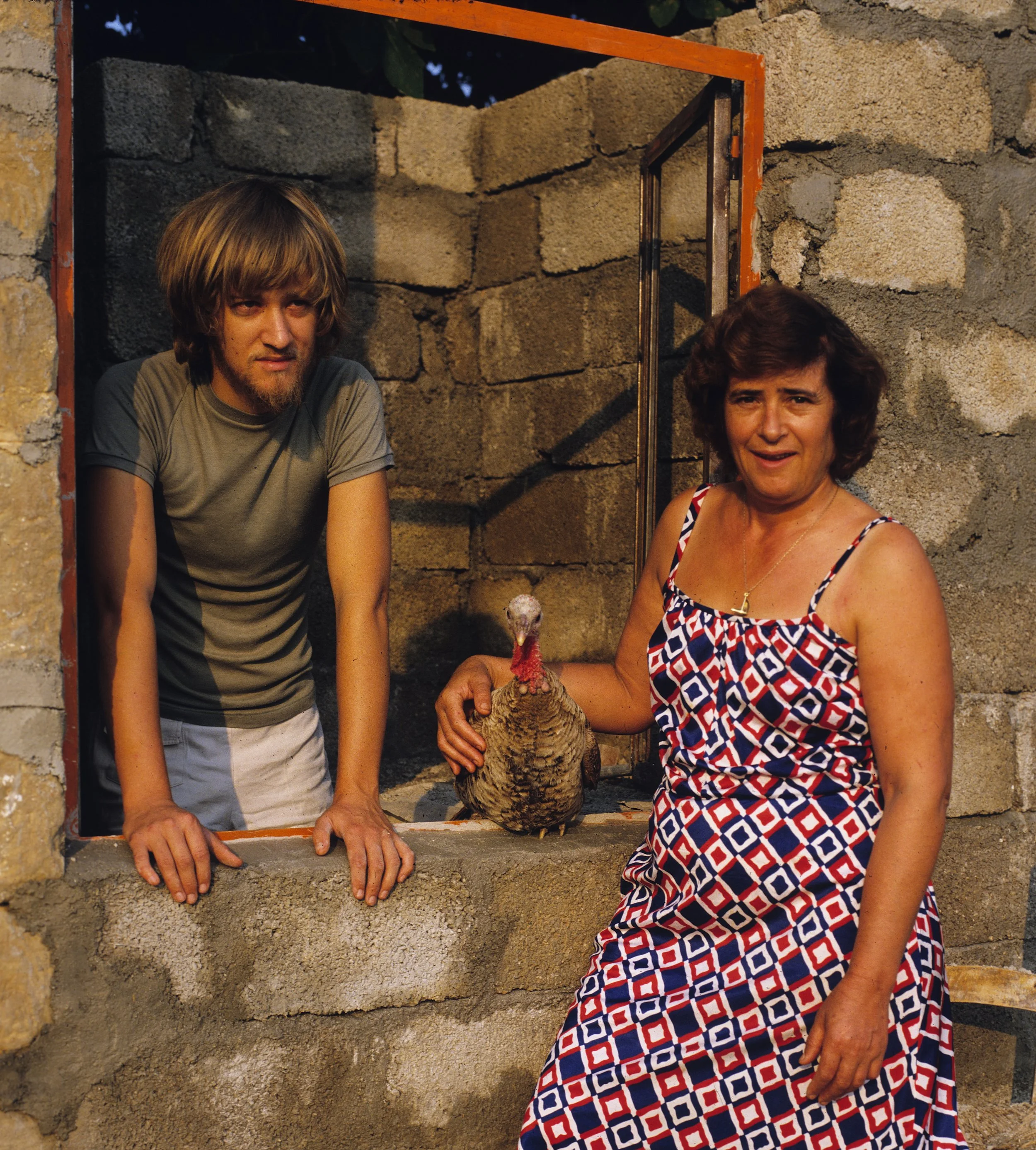
Our family belongs to this landscape too. When we welcome guests, we are sharing a place we have never really left.
The Age of Heroes — Homer's coast
When Homer counted the ships that sailed for Troy, this shore was on the list. Hyperesia — the old name for neighbouring Aigeira — appears in the Iliad's Catalogue of Ships among the towns that answered Agamemnon's call. Legend says the town later earned its new name when defenders tied torches to the horns of goats (aiges) by night, and the invaders offshore mistook the hillside for an army.
See it today: the ancient theatre and acropolis of Aigeira, 15 minutes along the coast, still facing the Gulf it once watched for sails.
The Classical Centuries
This was the heartland of ancient Achaea. Its cities banded together in the Achaean League, and its people ranged far beyond the Gulf: colonists from this coast founded cities in southern Italy, carrying even their river's name with them — the Krathis, which runs to the sea below Akrata, has a namesake in Calabria to this day. Down the coast, the city of Helike was swallowed whole by an earthquake and wave in 373 BC — a lost city some believe helped inspire the legend of Atlantis.
See it today: the Krathis valley below the village, and the Helike excavations and archaeological collection near Aigio.
The Roman Traveler
In the second century AD, Pausanias — the ancient world's great travel writer — walked this coastline for his Description of Greece, recording the temples, harbours, and stories of Aigeira and its neighbours. Visitors have been writing about this shore for eighteen centuries; you are in a long tradition.
See it today: stand in the theatre at Aigeira with Pausanias's pages open — much of what he described is under your feet.
The Byzantine Mountains
As empires shifted, life climbed into the hills. In the fourth century, monks founded Mega Spilaio — the Monastery of the Great Cave — in a cliff face of the Vouraikos Gorge, by tradition around an icon of the Virgin painted by St Luke. Through Byzantium, wars, and fires, it endures: one of the oldest monasteries in Greece, an hour from the house.
See it today: Mega Spilaio, hanging from its cliff, and the monastery of Agia Lavra near Kalavryta.
Ottoman Years and the Fire of 1821
Under Ottoman rule the mountain villages of Achaea kept language, faith, and a stubborn independence — high country like ours has always been hard to govern. When the Greek War of Independence came in March 1821, this region moved first: tradition holds that the banner of revolt was raised at Agia Lavra, and the mountains around Kalavryta filled with fighters. Modern Greece began, in part, in these hills.
See it today: Agia Lavra and the historical monuments of Kalavryta, an hour's drive into the mountains.
The Modern Era
In 1896 engineers threaded a rack railway up the Vouraikos Gorge from Diakopto to Kalavryta — still running, still one of Europe's great small train journeys. In 1913 a landslide dammed a mountain stream and made Lake Tsivlou, the alpine lake where you'll swim. And in December 1943 Kalavryta suffered one of the darkest atrocities of the Occupation; its memorial is a place of pilgrimage and quiet. These mountains carry joy and grief together, and remember both.
See it today: ride the rack railway; swim at Tsivlou; pay your respects at the Kalavryta memorial.
Our Family
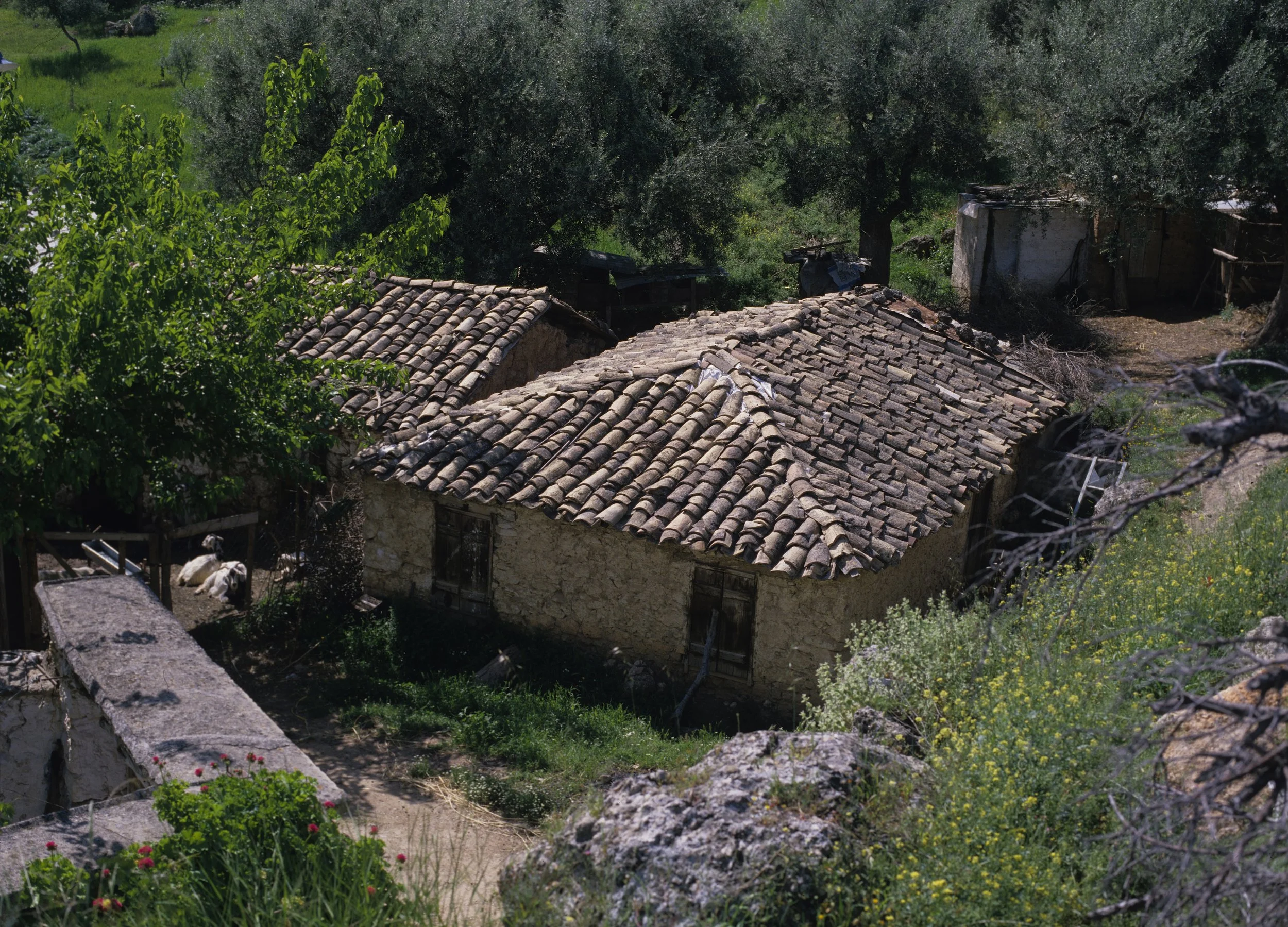
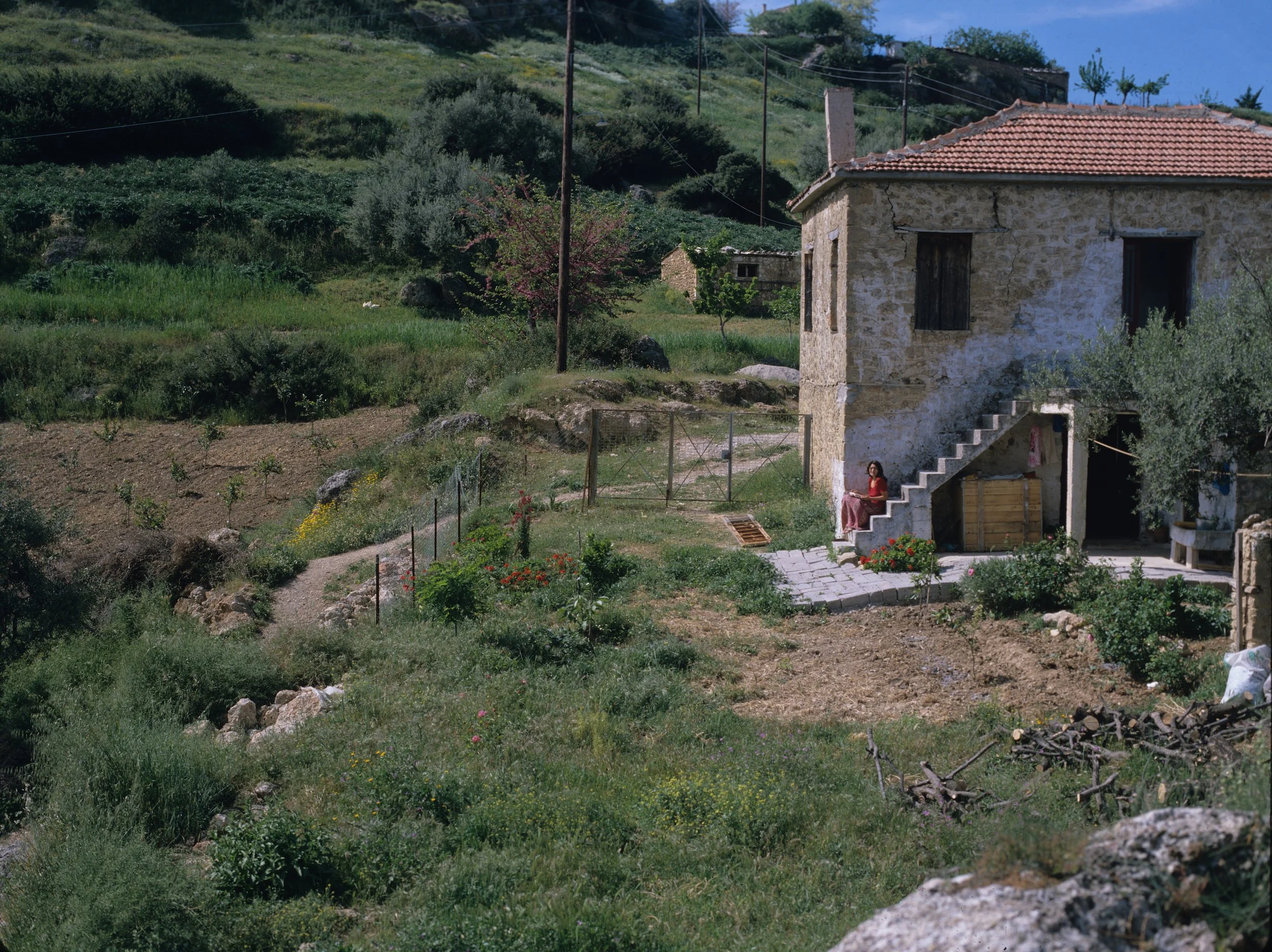
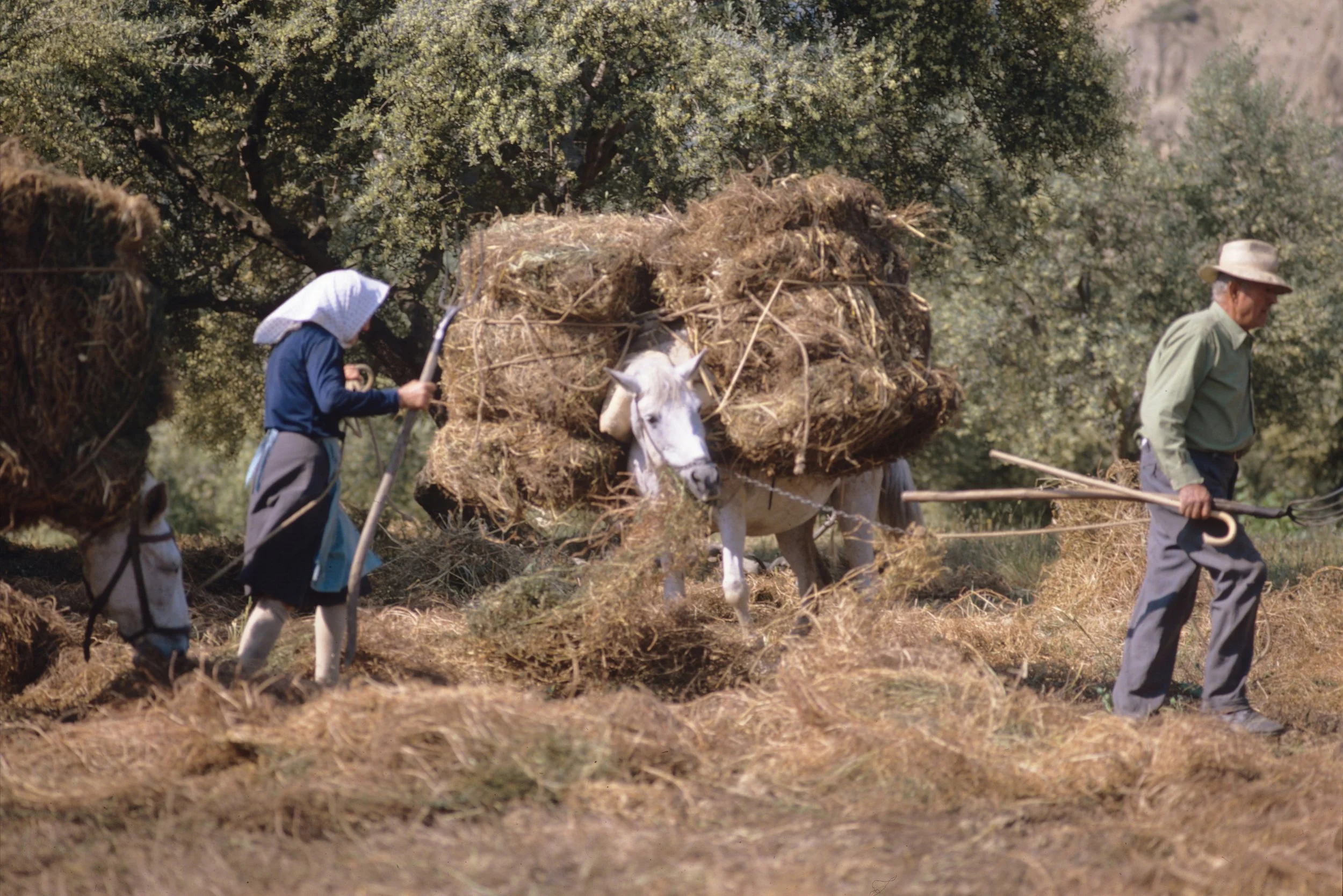
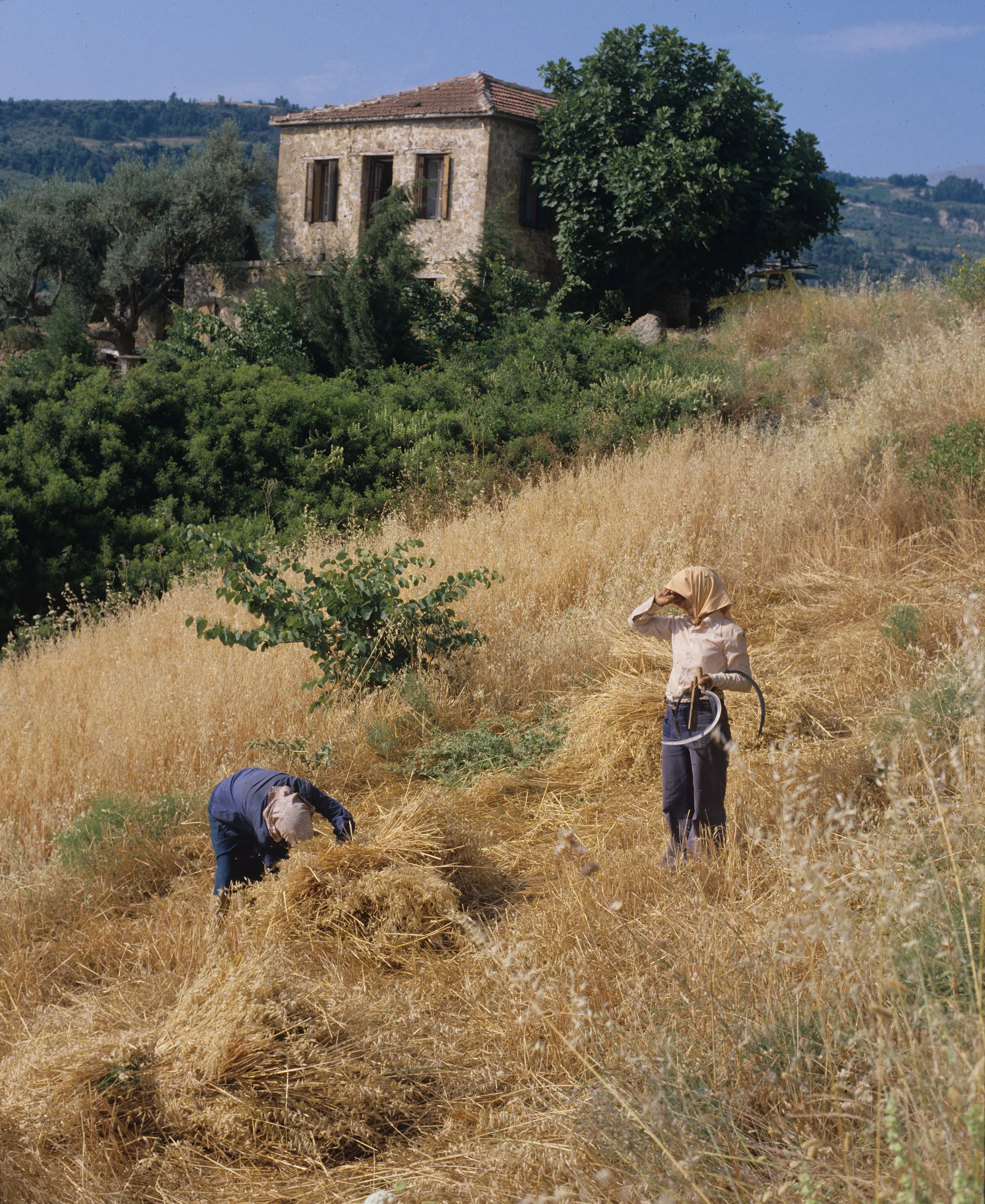
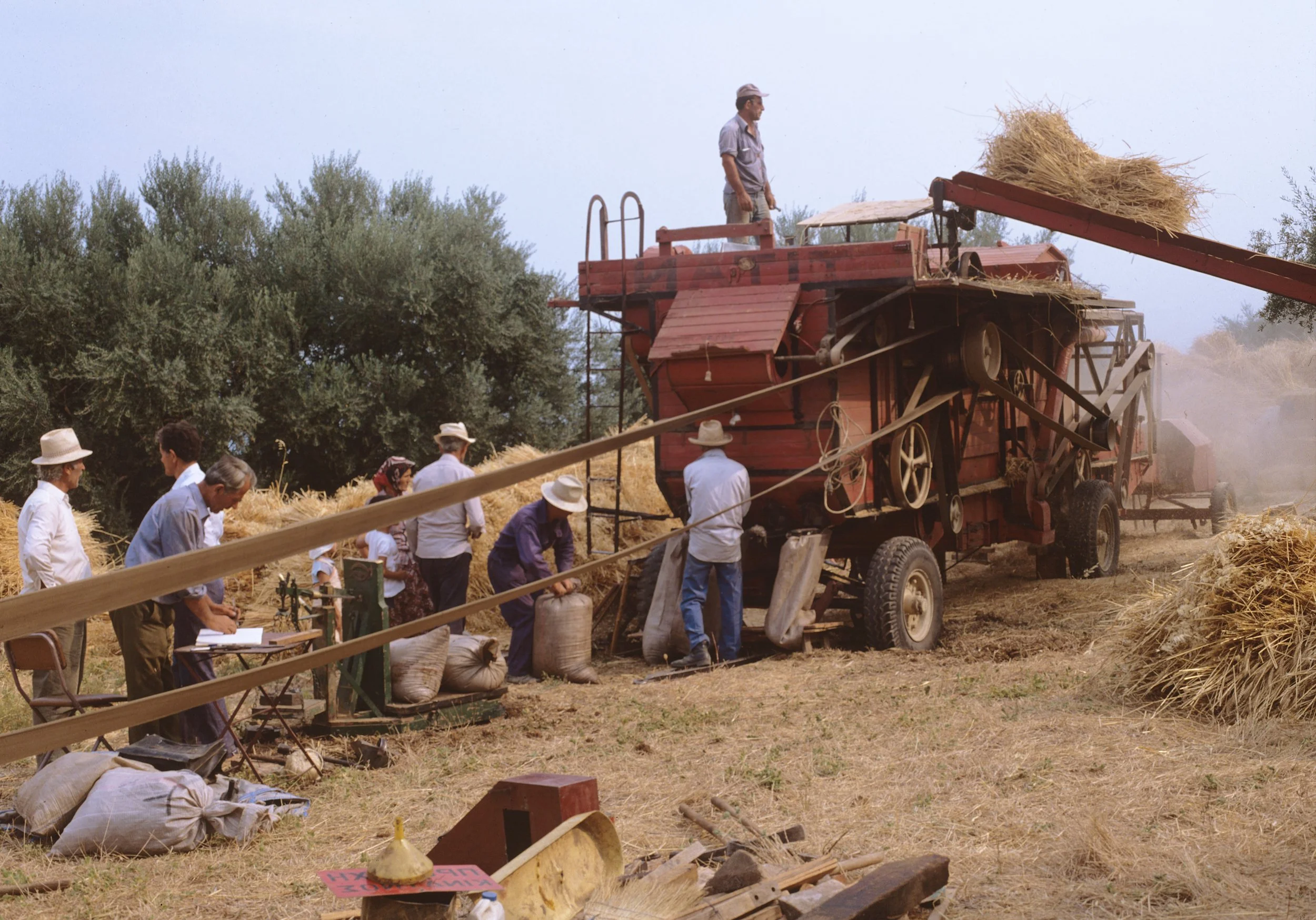
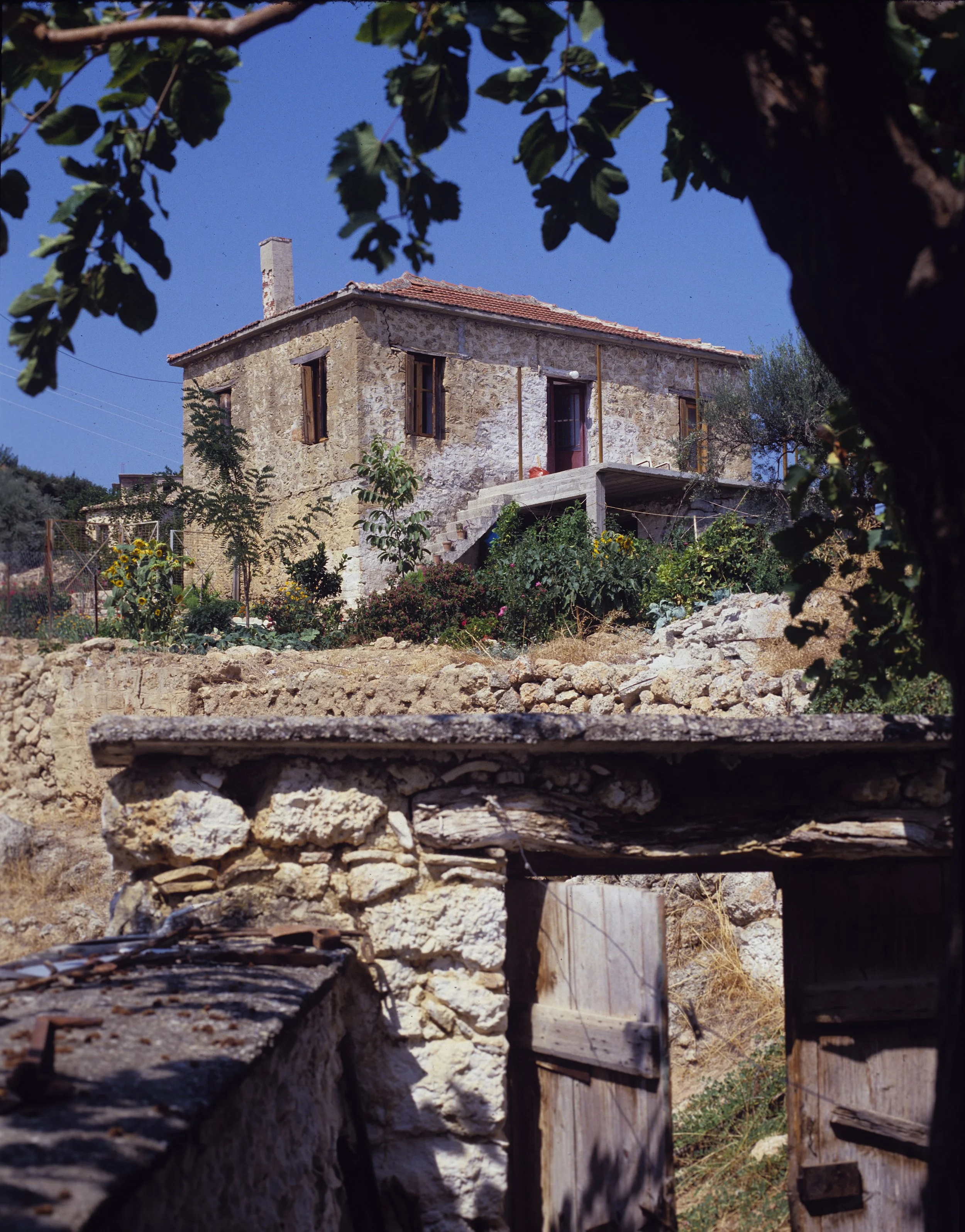
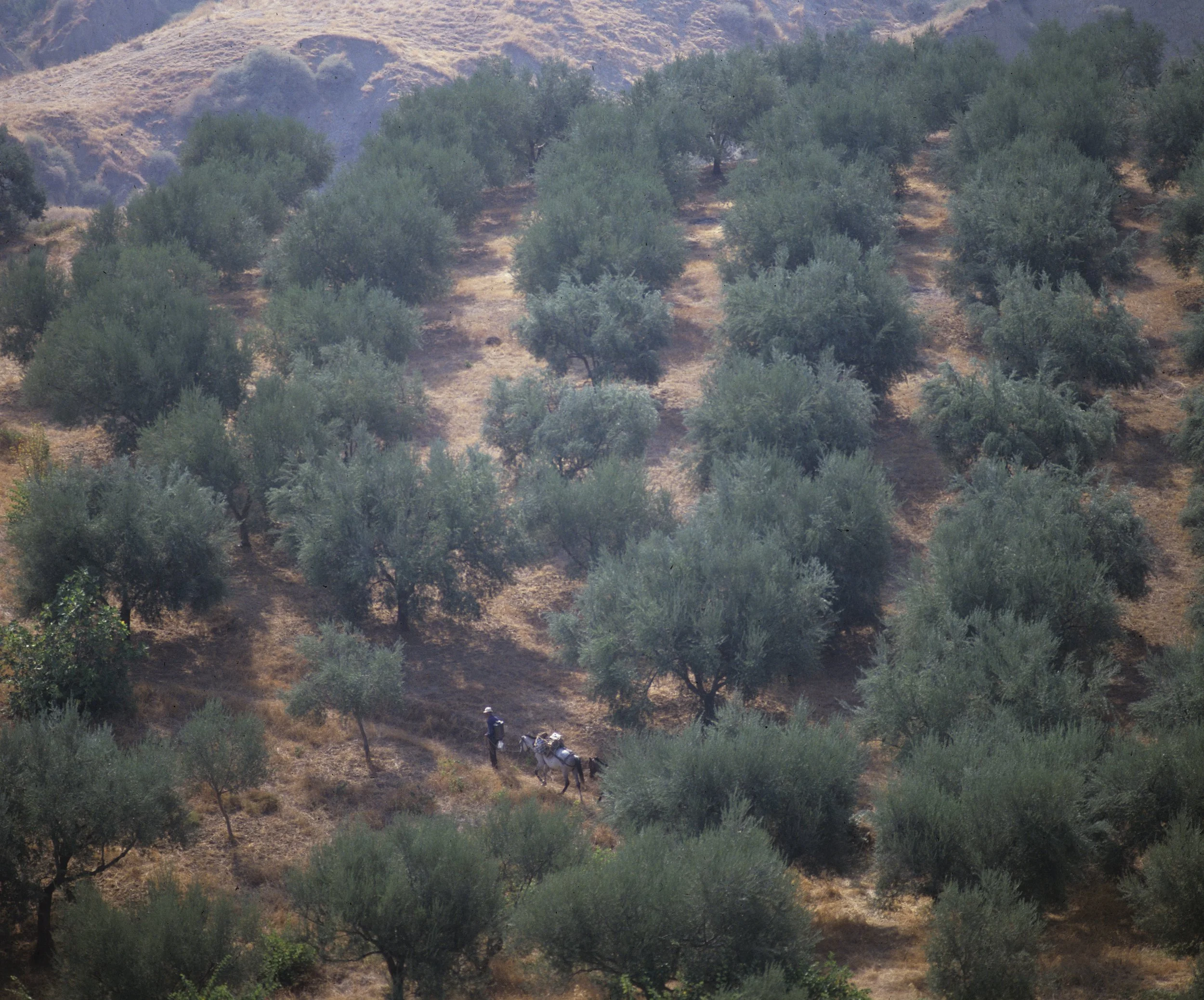
Our family has farmed these slopes for generations. The Stone House and the White House — they are family houses.